

The rise of BVoD: a response to new uses
Editorial note — Update, 12 October 2026
This article, originally published in May 2025, presented several illustrative scenarios for applying BuyTryShare to the BVoD environment in Central Europe. Some wording could have suggested these campaigns had actually been carried out and that their results had been measured.
We clarify that no BuyTryShare/CME campaign mentioned in these examples was ever carried out. The figures originally associated with these illustrations did not correspond to observed performance and have been removed.
The analysis has been updated to distinguish the possibilities offered by these new advertising formats from results that remain to be demonstrated experimentally.
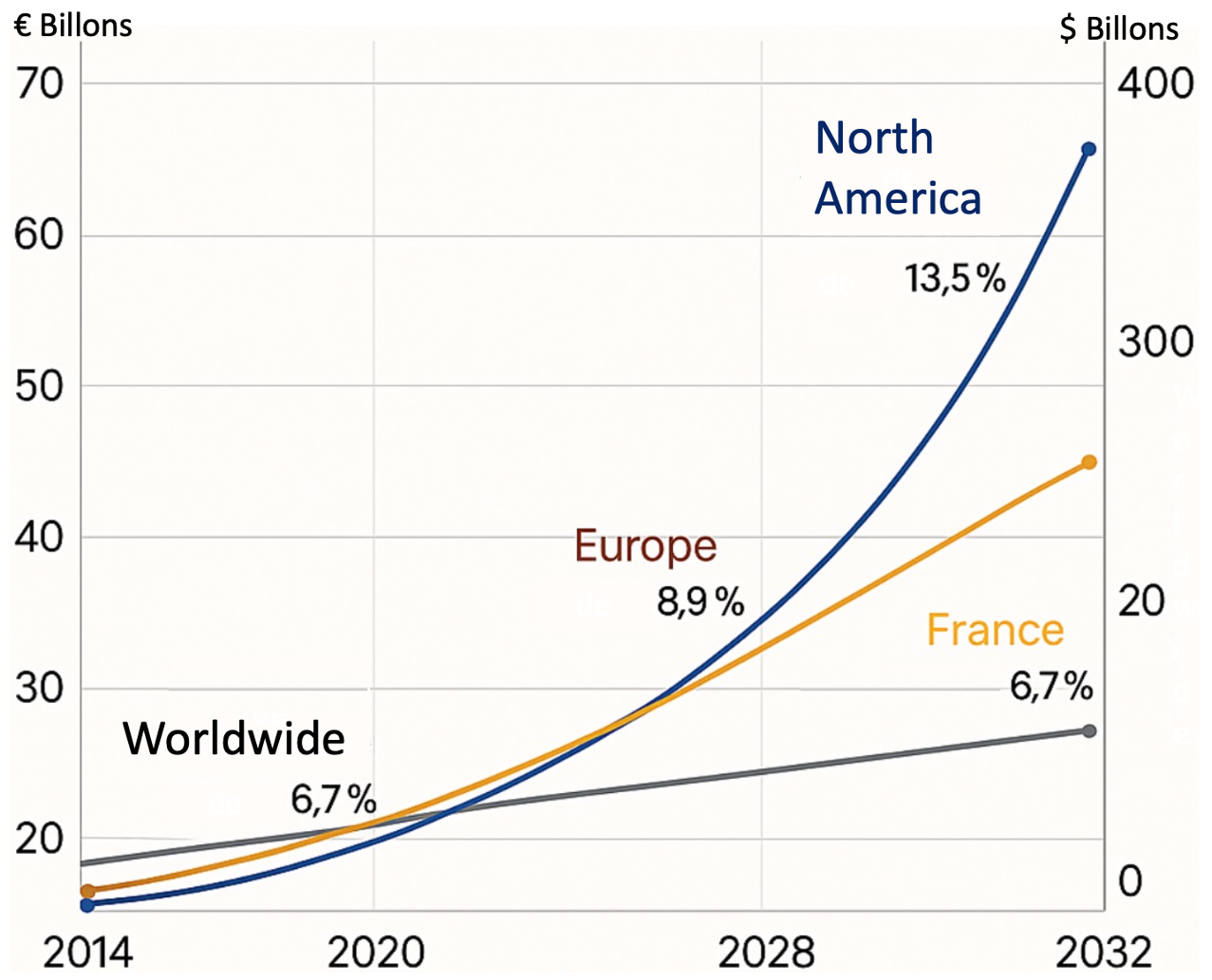
Broadcaster Video on Demand (BVoD), or video on demand offered by traditional broadcasters, is experiencing significant growth worldwide, in response to changing consumption habits for audiovisual content.
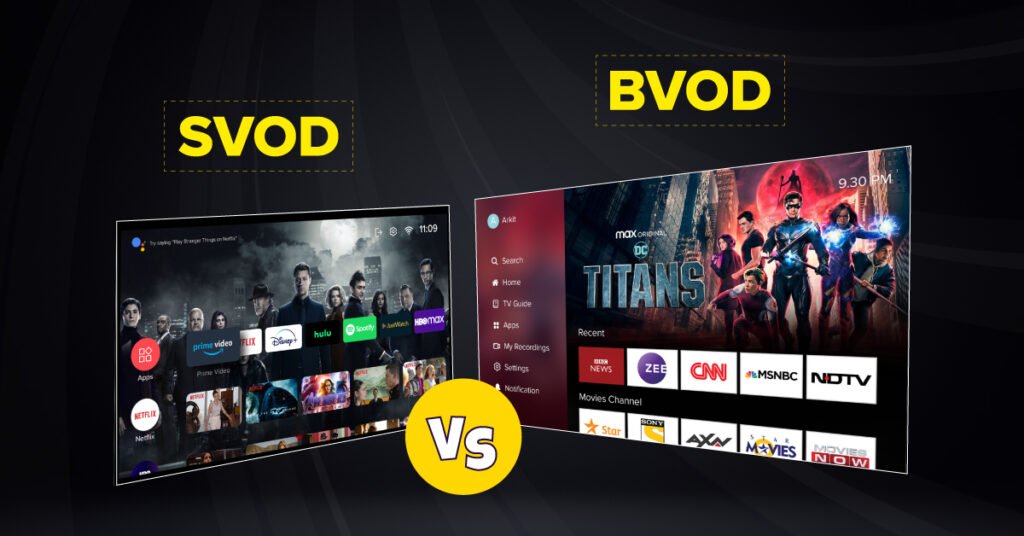
The momentum of video-on-demand is underpinned by shifting consumer preferences towards content available on-demand and the diversification of business models, such as AVoD (ad-supported video, i.e. YouTube) and SVoD (subscription video-on-demand, i.e. Netflix, Disney+, Prime Video, HBO Max).
These trends underline the growing importance of Video on Demand in the global media landscape, offering traditional broadcasters an opportunity to adapt to new consumer expectations and diversify their revenue streams with the development of their own BVoD offering (RTL+, TF1+, M6+, Joyn, VOYO, Peacock etc.). Let’s face it, the gradual and continuing erosion of advertising revenues from traditional TV channels is leading publishers to redefine their strategies to capture an increasingly volatile audience. BVoD is emerging as a key solution for combining the power of premium TV content with the flexibility and targeting of video on demand.
Hypothetical example: a cosmetics brand looking to extend its video campaign on a BVoD platform such as VOYO could integrate a sequence combining verified consumer reviews and a QR Code — a way to explore new forms of engagement without giving up the creative power of the original ad film.
The importance of customer testimonials in the purchasing process
Today, the vast majority of consumers check online reviews before buying a product, and many trust them as much as a personal recommendation. These reviews have a direct influence on the online purchasing process and have become essential for advertisers looking to stand out from the crowd.
BuyTryShare proposes integrating into advertising campaigns consumer reviews from verified purchases, collected and moderated through a process designed to meet applicable requirements, including those of the ISO 20488 standard. These reviews could be presented in 5-second spots, accompanied by a QR Code that links to a dedicated page containing full testimonials.
In the retail data analysed by the Spiegel Research Center, a product displaying five reviews had a purchase likelihood 270% higher than a product with no reviews. Across the categories studied, purchase likelihood generally peaked at ratings between 4.0 and 4.7, then declined as ratings approached 5.0. These findings concern the e-commerce settings studied; they do not establish the effectiveness of a BuyTryShare TV or BVoD campaign.
Hypothetical example: A food brand running a traditional TV campaign in the Czech Republic could, on the same principle, follow its spot with authentic customer reviews and a QR Code linking to its e-commerce site, to capture viewers’ interest beyond the airing itself.
The BuyTryShare format: 5 seconds to grab attention
In a world where consumer attention is increasingly volatile, the 5-second format developed by BuyTryShare is perfectly in line with current marketing dynamics. Every second counts to capture the interest of an increasingly in-demand audience. This means that brands have an extremely short window of opportunity to capture the interest of their audience.
The ContentBacon article on marketing messaging recommends communicating the essential message within the first few seconds. This is a practical marketing recommendation, not evidence that a five-second BuyTryShare format has achieved a particular performance. A short sequence with consumer reviews and a QR code could invite viewers to explore additional information; its effectiveness would need to be measured.
Hypothetical example: A telecoms operator running a campaign in Romania could likewise integrate the BuyTryShare 5” format into a promotional offer, with a QR Code linking to a registration page for an exclusive discount.
Several factors explain the appeal of such a format:
-
A simple message: in just 5 seconds, the spot conveys a clear, direct message, avoiding information overload.
-
Social proof: Incorporating authentic customer reviews adds credibility to the advertising message.
-
Interactivity: The QR Code provides an immediate gateway to additional content, encouraging consumer engagement.
In short, BuyTryShare’s 5-second format is designed to deliver a concise message and invite further engagement, where every second counts to capture and hold the attention of an audience that is solicited from all sides.
Monetising advertising space for media publishers
For the advertising sales houses of major publishers, BuyTryShare is becoming a strategic lever for increasing their revenues while maximising the effectiveness of their advertising campaigns. Rather than suffering the erosion of TV revenues to the benefit of GAFAMs, BuyTryShare makes it possible to add value to the TV audience by transforming passive viewers into active participants through authentic and engaging testimonials.
As broadcasters seek to diversify advertising revenue, interactive formats combining consumer reviews and a QR code could offer a way to explore additional inventory value. Any effect on CPM, engagement or revenue would need to be measured in a real experiment; no increase is established here.
Hypothetical example: A broadcaster with its own BVoD platform could experiment with integrating short sequences combining verified consumer reviews and a QR Code into its ad breaks, to assess their contribution to audience engagement and inventory value.
Conclusion: BuyTryShare, a revenue catalyst for BVoD… and the shelf.
In conclusion, at a time when traditional advertising is increasingly contested and revenue growth for broadcasters is weakening year on year, BuyTryShare offers an innovative solution for reinventing the TV advertising experience via BVoD… but also in the linear format! A short format, an engaging QR Code and credible reviews: the recipe for capturing viewers’ attention while reinforcing the credibility of advertising messages. For media publishers, it’s an opportunity to win back a shrinking advertising market and reconnect with a more attentive and receptive audience. For brands: an opportunity to transform television into an acquisition tool!